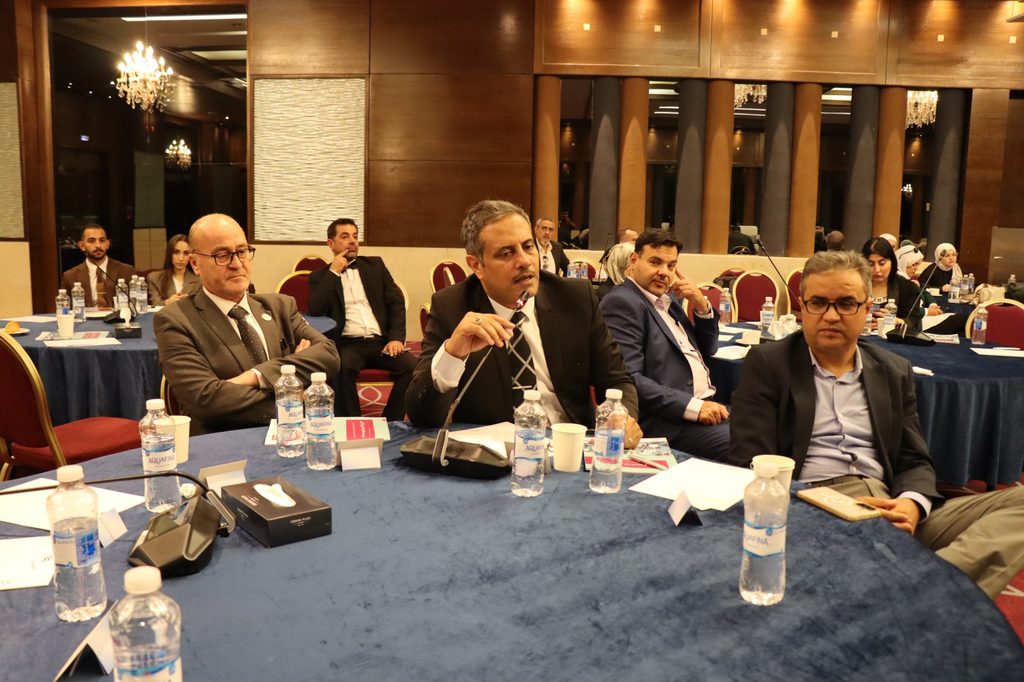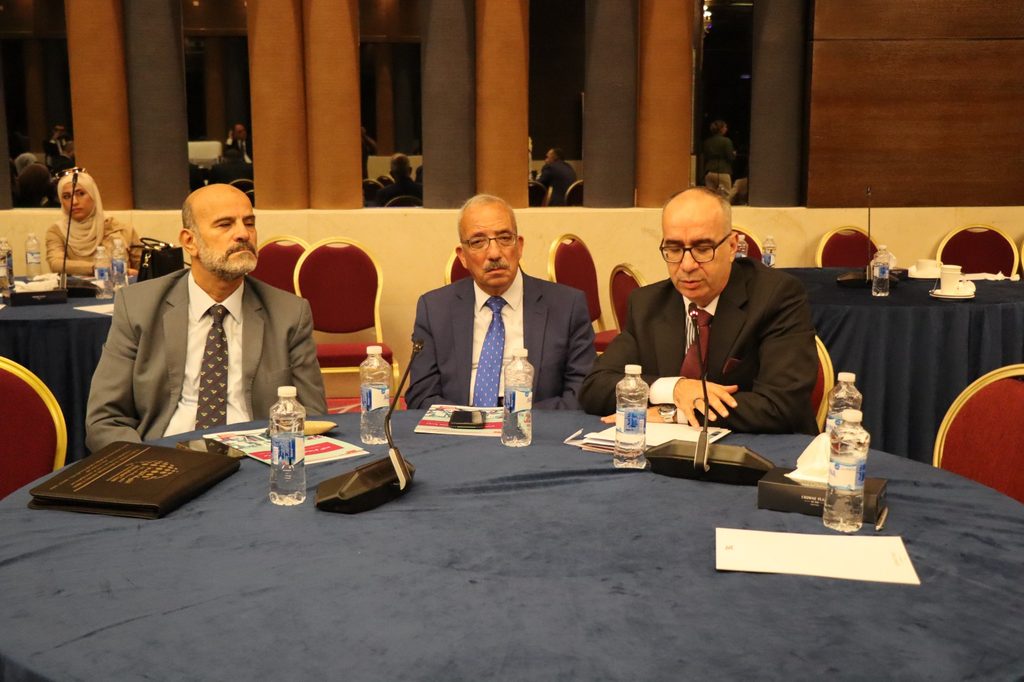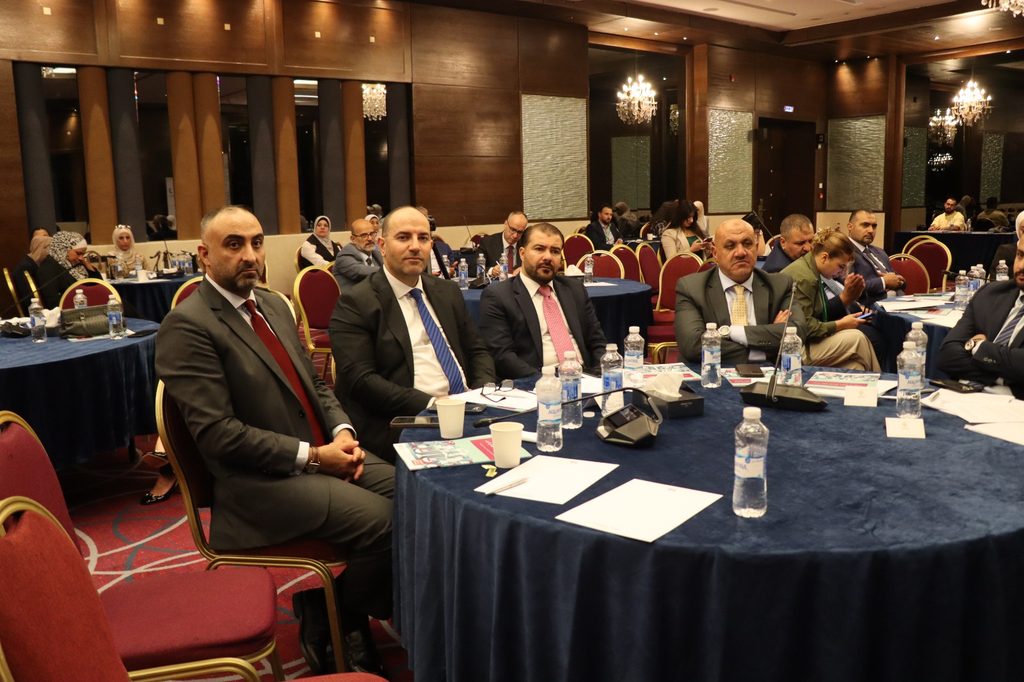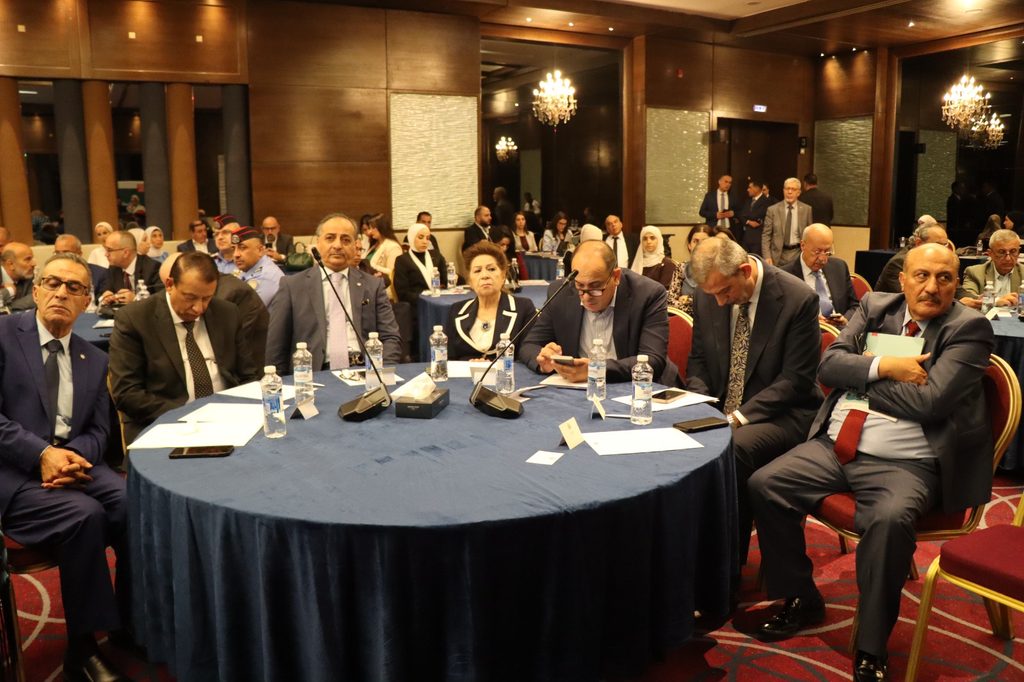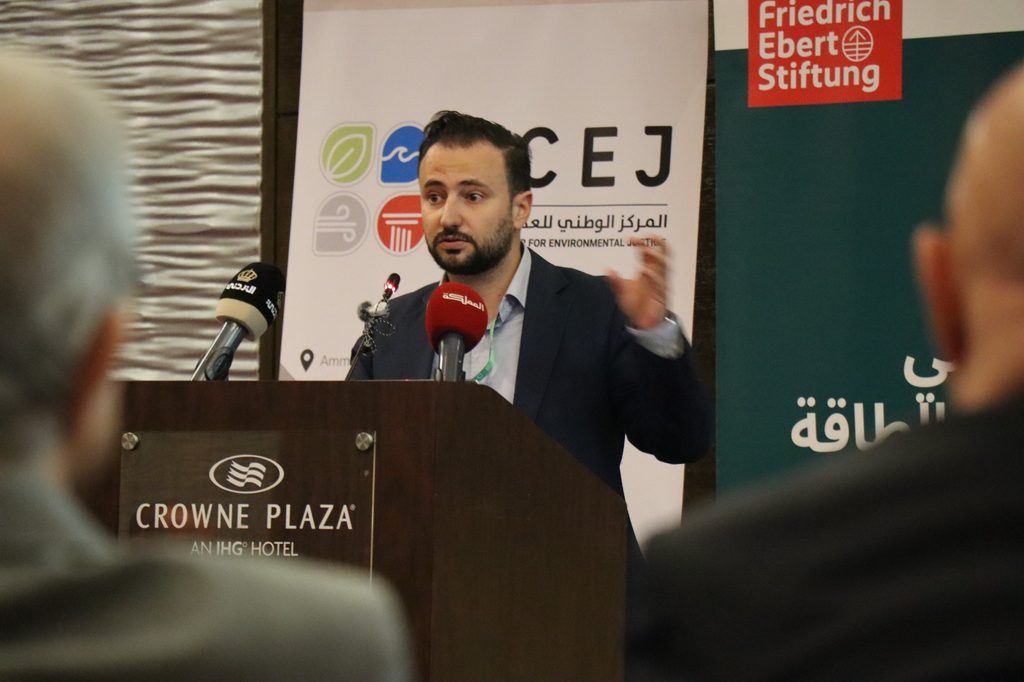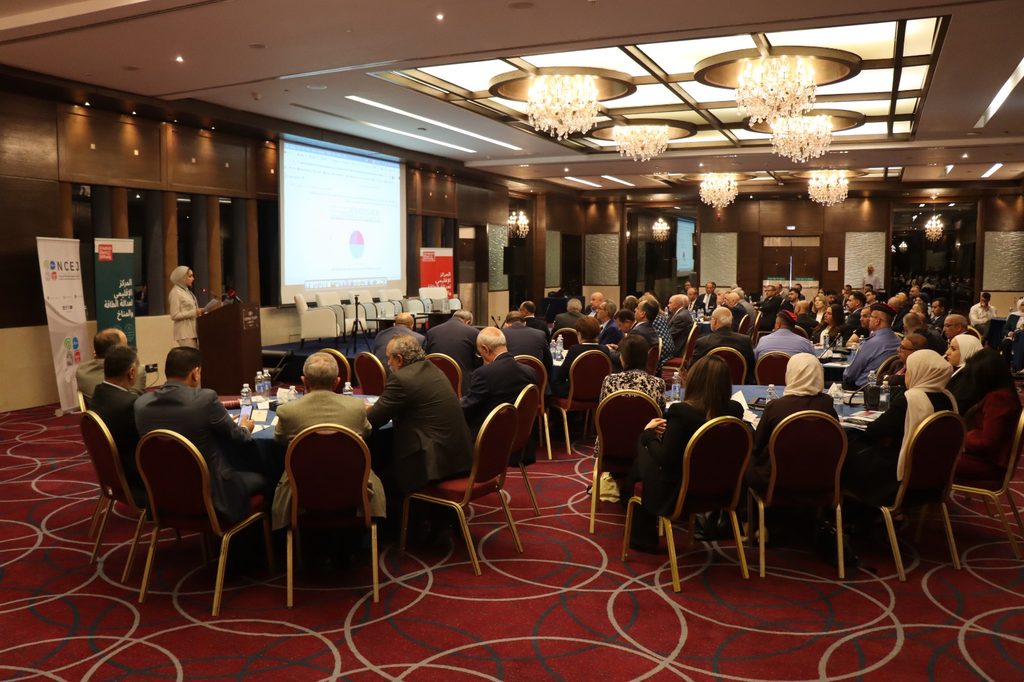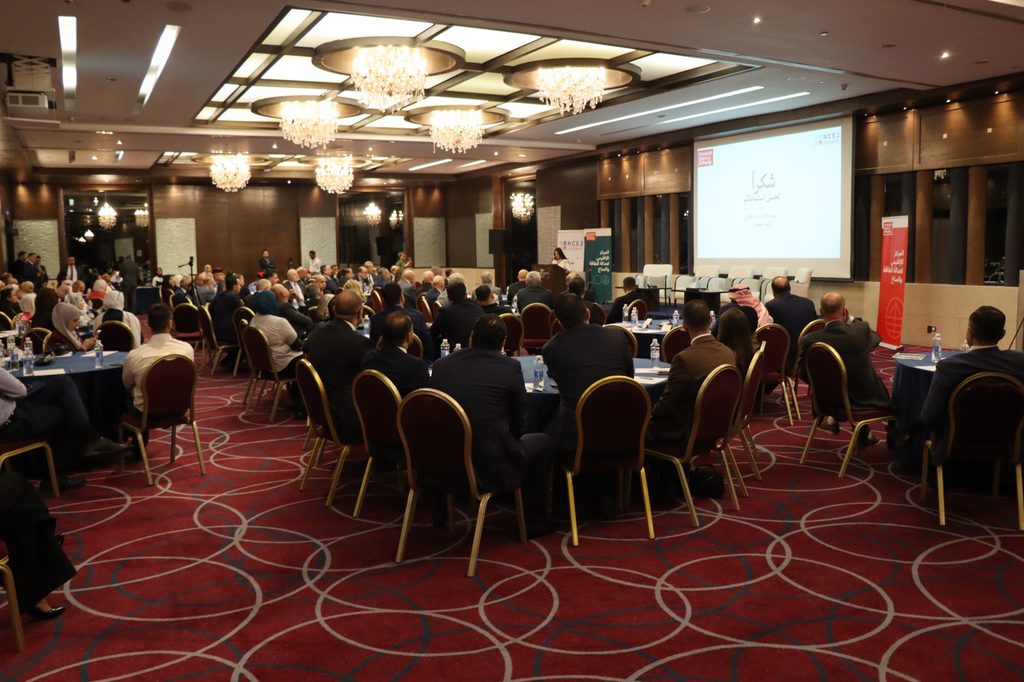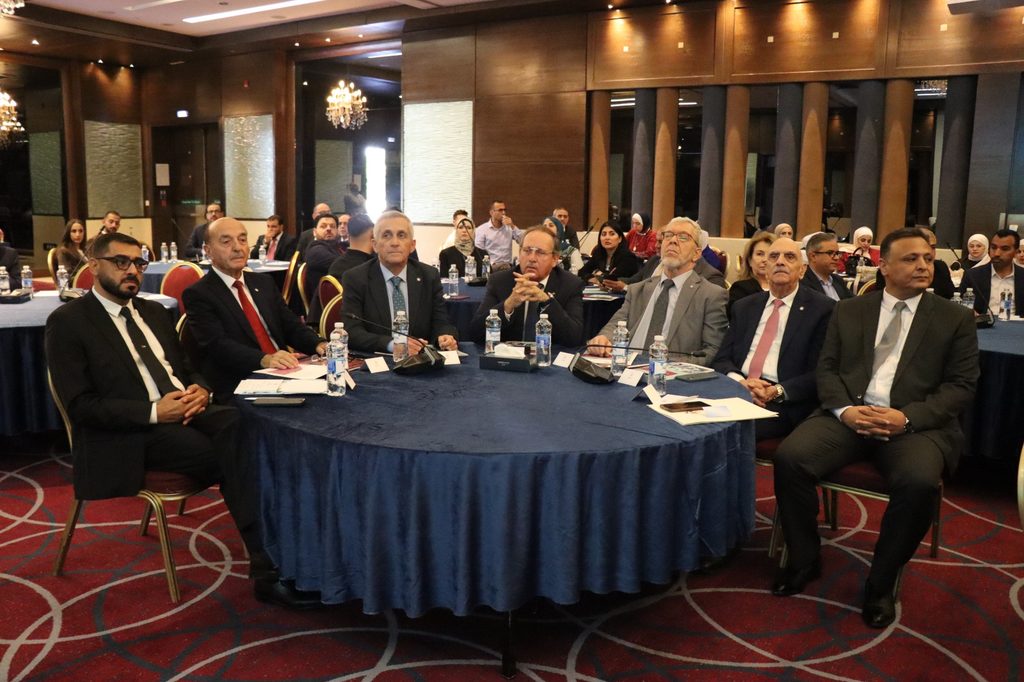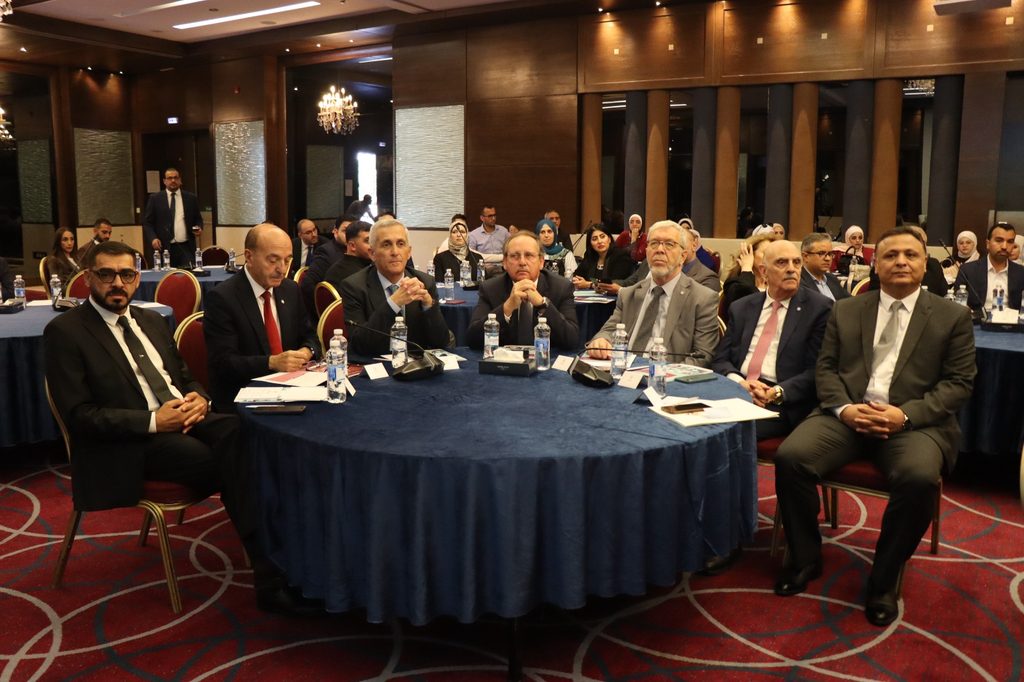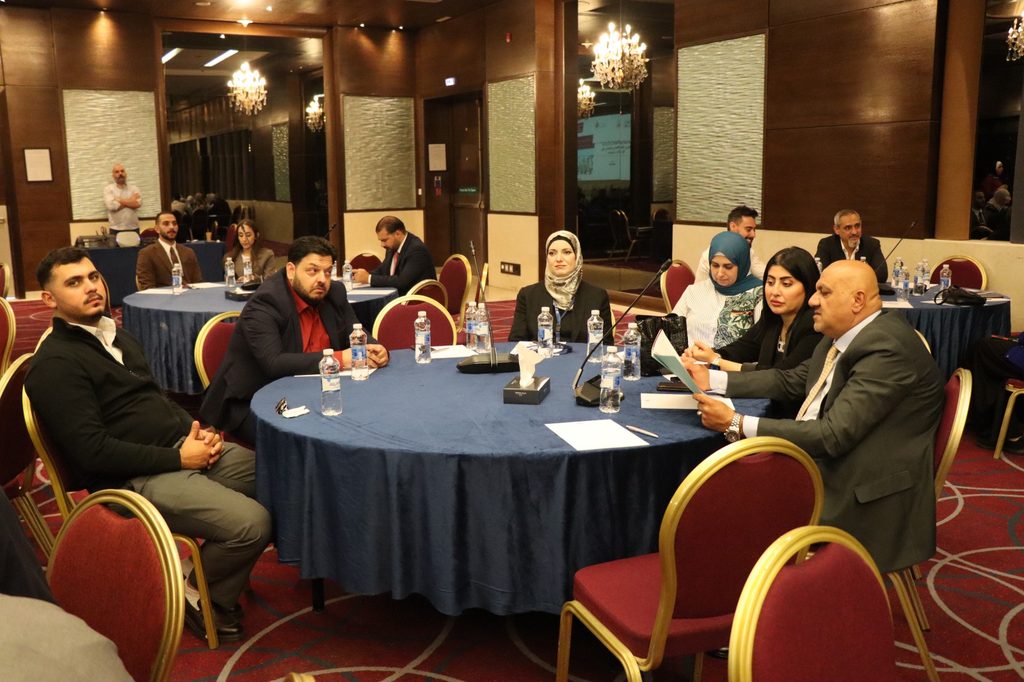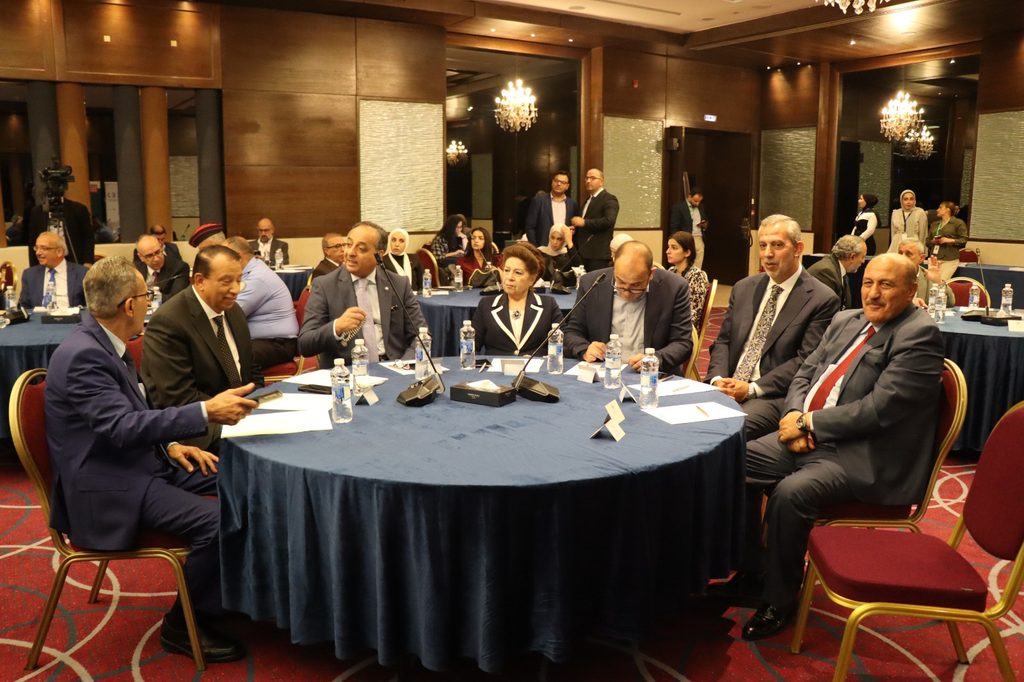
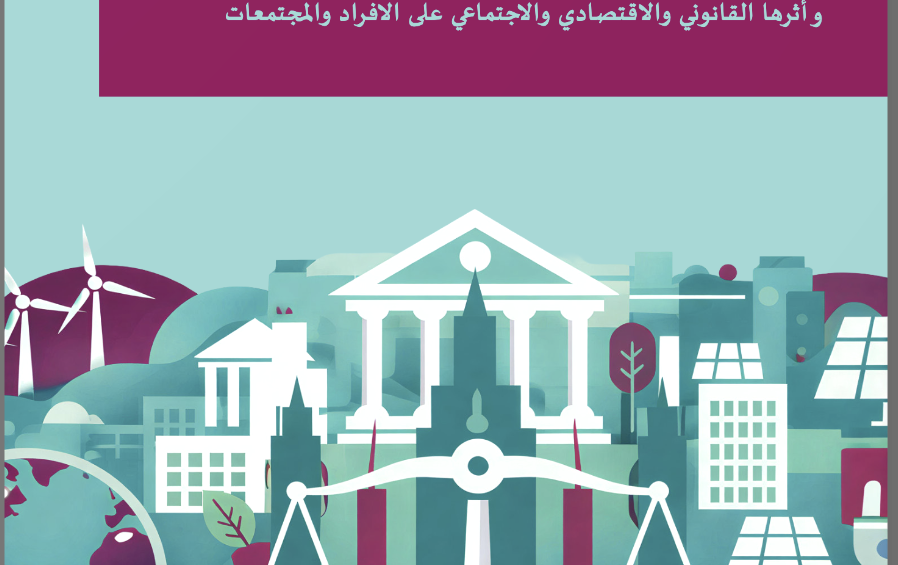
After one and a half years of continuous legal and research work, the study “The State of Environmental Justice in Jordan and Its Legal, Economic, and Social Impact on Individuals and Communities” is now available, in cooperation with and with the support of the Friedrich-Ebert-Stiftung – Regional Competence Center for Energy and Climate Justice in the Middle East and North Africa (MENA). The study reflects a research vision adopted by the National Center for Environmental Justice (NCEJ) to examine the state of environmental justice in Jordan through the analysis of judicial judgments and to transform judicial data from scattered facts into knowledge that can be analyzed, compared, and built upon.
The study covers the period from 2018 to 2022, following the enactment and entry into force of the Environmental Protection Law of 2017. It analyzes 9,734 judicial judgments and 13 pieces of legislation directly related to environmental cases, moving beyond merely quantifying cases to examining the patterns revealed by judicial decisions: When did cases emerge? Where were they concentrated? Which laws and legal provisions appeared most frequently? How were facts legally characterized? What types of sanctions were imposed and what were the outcomes of the judgments? And what do these findings reveal about the state of environmental justice and its legal, economic, and social impacts on individuals and communities?
The study adopts an analytical research methodology grounded in the Center’s vision and mission. It does not begin with a predetermined position regarding legislation or the judiciary; rather, it treats the judicial judgment as a source of knowledge and data through which the relationship between the facts, the legal provision, legal characterization, evidence, and sanction can be examined, moving from the legal text in the abstract to its application in judicial practice.
9,734 Judgments Map Five Years of Environmental Litigation
The study revealed significant variation in the volume of environmental litigation across the years. In 2018, approximately 1,777 judgments were recorded, before the number declined to 935 judgments in 2020, the lowest level during the study period. It then increased to 1,256 judgments in 2021, before rising sharply in 2022 to 4,552 judgments.
This increase means that approximately half of the judgments recorded by the study over five years were issued in a single year, 2022. The study examines this shift in the context of the resumption of activity following the COVID-19 pandemic, the entry into force of the Framework Law for Waste Management No. 16 of 2020, and changes in monitoring and referral activity.
At the monthly level, January recorded 2,527 judgments, compared with only 430 judgments in May, meaning that the number of judgments in January was approximately six times that of May. This variation reveals a clear difference in the pace of litigation across the months of the year and opens the way for examining the relationship between monitoring activity, referral pathways, and access to the courts.
Irbid Emerges as the Center of Gravity of Environmental Litigation, Accounting for 32% of Recorded Judgments
Geographically, Irbid Governorate emerged as the center of gravity of environmental litigation during the study period, recording 3,139 judgments, or 32% of the total, followed by Amman with 2,464 judgments, Zarqa with 1,442 judgments, and Jerash with 1,190 judgments.
Together, these four governorates accounted for more than 84% of the total judgments, compared with only 12 judgments in Ma’an Governorate.
The study does not treat this geographical distribution as a direct measure of the scale of environmental harm in each governorate. Rather, it interprets the distribution in light of the litigation map and access to justice, population density, economic activity, regulatory activity, and referral pathways.
97.7% of Judicial Judgments Were Heard by Magistrate Courts
Moving from the geographical map to the judicial map reveals another notable finding: 9,514 judgments, representing 97.7% of the total, were issued by Magistrate Courts, compared with 108 judgments before Courts of First Instance and 112 judgments before the Greater Amman Municipality Court.
This percentage indicates that the environmental litigation captured by the study was concentrated almost entirely before Magistrate Courts, reflecting the predominance of misdemeanors and violations falling within their jurisdiction.
Five Laws Account for More Than 96% of Judgments
Environmental judicial judgments were clearly concentrated in five principal pieces of legislation, which collectively accounted for more than 96% of the total judgments examined. The Environmental Protection Law ranked first with 5,451 judgments, followed by the Agriculture Law with 1,704 judgments, the Public Health Law with 1,193 judgments, the Penal Code with 566 judgments, and the Framework Law for Waste Management with 519 judgments. This concentration indicates that the majority of environmental litigation during the study period revolved around a defined set of legislative frameworks that formed the legal basis for addressing conduct affecting the environment, natural resources, public health, and waste management.
Article (8): The Core Criminalization Provision in Environmental Litigation
Article (8) of the Environmental Protection Law, read in conjunction with Article (19) of the same Law, featured in 2,703 judgments, accounting for 27.8% of the total judgments examined, revealing a legislative duality that formed a central axis of environmental judicial application. Article (8) constitutes the core provision establishing the prohibition and criminalization of acts involving waste, debris, and refuse, including their collection, transportation, dumping, sorting, treatment, burning, excavation, or disposal, contrary to the conditions, procedures, and designated sites approved by the Ministry. Article (19), in turn, emerged as the backbone of judicial and penal attribution for these acts in the judgments examined.
Eight Provisions Account for More Than 54% of Environmental Litigation
Analysis of the judgments reveals that more than half of environmental litigation was concentrated around eight legal provisions, which were associated with 5,326 judgments, representing 54.7% of the total judgments. These provisions were distributed across several legislative frameworks. Article (19) of the Environmental Protection Law ranked first, with 2,703 judgments, followed by Article (63) of the Public Health Law with 681 judgments, Article (31) of the Agriculture Law with 666 judgments, Article (456) of the Penal Code with 557 judgments, Article (28) of the Framework Law for Waste Management with 519 judgments, Article (66) of the Environmental Protection Regulation of the Aqaba Special Economic Zone with 87 judgments, Article (30) of the Water Authority Law with 70 judgments, and Article (32) of the Natural Resources Law with 43 judgments.
This concentration shows that more than half of the environmental judgments during the study period were associated with this specific group of provisions, highlighting their role in determining the basis of liability, legal characterization, and sanctions in environmental cases, while also revealing significant variation in the level of judicial application of each provision.
Article (27) of the Environmental Protection Law: A Notable Presence of a Residual Provision
Article (27) of the Environmental Protection Law had a notable presence in the judgments, being associated with 747 judgments, or 7.7% of the total. Of these judgments, the provision was applied independently in only 57 cases, while in approximately 92.4% of cases it was applied in conjunction with other provisions and legal texts.
This presence is particularly significant given the nature of the provision as a residual provision, opening the way for examining how the boundaries of resorting to a residual provision are determined in relation to more specific provisions, and how legal characterization is constructed when multiple provisions may potentially apply to the same facts.
Parties to Environmental Litigation: Who Initiates Proceedings and Who Bears Liability?
The study data reveal a clear distinction among the parties to environmental cases. On the one hand, official authorities and judicial police officers play a central role in initiating litigation procedures; on the other hand, criminal liability in most judgments was attributed to natural persons. These findings allow the trajectory of environmental justice to be examined from two complementary perspectives: who initiates legal protection procedures, and who bears the consequences of the violation before the courts.
99.3% of Cases Were Initiated by Official Authorities and Judicial Police Officers
In 9,668 judgments, representing 99.3% of the total, the complainant was an official authority or a judicial police officer, while only 66 judgments, or 0.68%, involved a natural person as the complainant.
This percentage indicates that environmental litigation in the study sample was predominantly the result of inspection, enforcement, and referral procedures undertaken by official authorities and judicial police officers, rather than the direct result of individual initiatives to file complaints. Within the framework of the study, this raises research questions concerning individuals’ direct access to environmental justice and their role in initiating proceedings related to harm to the environment and shared resources.
94.2% of Judgments Were Issued Against Natural Persons
By contrast, the data show that 9,170 judgments, representing 94.2% of the total, were issued against natural persons, compared with 564 judgments, or 5.8%, against legal persons.
This finding indicates that the liability reaching the environmental courts during the study period was primarily attributed to individuals, while legal persons, including companies and other entities with legal personality, appeared far less frequently. This does not necessarily mean that environmentally harmful conduct by legal persons was absent; rather, it opens an area for further research into the presence of legal-entity liability within the environmental litigation system and the mechanisms through which such liability is attributed.
Fines Dominate Sanctions, While Higher Fines Remain Limited
The study found that financial fines were the most prevalent sanction, with 6,762 judgments involving fines, representing 69.5% of the total judgments.
Fines were concentrated primarily in the range of JOD 500–999, accounting for 4,452 judgments, while higher fines were very limited. The study recorded only six judgments involving fines between JOD 10,000 and 19,999, and only one judgment imposing a fine of JOD 50,000.
As for judgments with specified terms of imprisonment, there were 2,178 judgments, including 876 judgments involving three months, 410 involving six months, and 316 involving four months.
These findings place the relationship between the sanction, the nature of the violation, and the scale of environmental harm among the issues warranting further research, particularly from the perspectives of deterrence, proportionality, and preventing recurrence.
Mitigation versus Aggravation: A Ratio of Nearly 100 to 1
With regard to mitigation and aggravation, the study recorded 4,260 judgments involving mitigation, compared with only 42 judgments involving aggravation—a difference of approximately 100 mitigated judgments for every one aggravated judgment. In 2022 alone, the study recorded 2,575 judgments involving mitigation.
The study treats this finding as a research indicator that merits examination in light of the type of violation, specific and general deterrence, the applicable legal provision, the circumstances surrounding each case, and the particular nature of environmental violations and offenses.
794 Judgments Ended in Acquittal, Amnesty, or Community Service
A total of 794 judgments, representing 8.2% of the overall database, ended in acquittal, general amnesty, or community service.
Irbid Governorate recorded the highest number of such judgments, with 436 judgments (54.9%), followed by Amman with 173 judgments (21.8%), and Zarqa with 78 judgments (9.8%).
This finding highlights the importance of the pre-trial stage, particularly the collection of evidence and documentation of inspection records, as well as the importance of monitoring the use of alternative sanctions, including community service, where legally applicable.
Aqaba Governorate Reveals a Distinct Pattern of Judicial Application
In its specific analysis of the Aqaba Special Economic Zone, the study identified 82 judgments based on the Zone’s Law and its environmental regulatory framework. 2020 recorded the highest concentration, accounting for 46.3% of the judgments identified in Aqaba.
The judgments also showed that the majority of sanctions involved a JOD 100 fine, with a limited number of cases reflecting a different gradation of sanctions.
Notably, 2020 alone accounted for 46.3% of the Aqaba judgments, while litigation levels in other governorates declined during the same year in the context of the COVID-19 pandemic.
These cases provide important material for examining the relationship between the seriousness of the conduct, the accuracy of legal characterization, the applicable legal provision, and the resulting sanction.
83 Judgments Reveal an Overlap Between the Waste Management Law and the Environmental Protection Law
In its analysis of legal characterization, the study identified instances of overlap between legal provisions, most notably the relationship between Article (28/b) of the Framework Law for Waste Management and Article (8), read in conjunction with Article (19/c), of the Environmental Protection Law.
Of the 519 judgments based on the Framework Law for Waste Management, the legal characterization was modified in 83 judgments, representing approximately 16%, in the direction of applying the Environmental Protection Law.
The study treats these cases as research indicators of the effect of multiple legal provisions on legal characterization and the determination of the applicable provision, without turning them into a general judgment on the correctness of judicial decisions.
The Legal, Economic, and Social Impact of the Study
The significance of the study does not stop at mapping environmental litigation; it extends to examining how environmental justice is reflected in the legal, economic, and social spheres.
Legal Impact: From Legal Text to Application
At the legal level, the study demonstrates that the existence of a broad legislative framework does not necessarily mean that all of its provisions appear with the same frequency in judicial application. More than 96% of the judgments were concentrated in five laws, while only eight provisions accounted for 54.7% of the total judgments.
These figures highlight the importance of moving beyond the study of legal provisions in the abstract to examining how they are applied and how facts are legally characterized under them. In this respect, the study provides a map of the judicial application of environmental legislation that can serve as a basis for subsequent legal research and for the development of legislation and practice.
Economic Impact: Protecting Natural Resources Means Protecting the Economy
From an economic perspective, the study places environmental justice within the broader context of protecting natural resources and the sectors that depend on them, particularly water, agriculture, forests, tourism, industry, and food and water security.
Environmental harm is not limited to the violation itself or the value of the fine imposed by a court. It may translate into remediation costs, production losses, depletion of natural resources, impacts on economic activity, or costs borne by the State and communities in addressing the consequences of environmental damage.
Social Impact: Environmental Justice and the Protection of Quality of Life
Socially, the study extends to viewing the environment as part of the rights and interests that directly affect the lives of individuals and communities. Pollution, deterioration of water resources, damage to forests, waste management, and other environmentally harmful activities may have consequences for quality of life, health, shared resources, and the rights of local communities.
From Numbers to Knowledge
The fundamental value of the study lies in the fact that it does not treat numbers as an end in themselves. Rather, it uses them to understand how environmental justice operates in practice: where cases are concentrated, which legal provisions appear in judgments, how facts are legally characterized, what sanctions are imposed, and what these findings may mean for the protection of resources, the economy, and society.
In this sense, the study is an analytical research study rooted in the vision of the National Center for Environmental Justice, seeking to build cumulative environmental legal knowledge in Jordan—knowledge in which the judicial judgment serves as a source of data, data forms the basis for analysis, and analysis provides an entry point for developing legislation and practice and strengthening the protection of environmental rights and resources.
The study does not present a final judgment on the environmental justice system. Rather, it provides a documented reading of a specific judicial reality over a five-year period—a reading that moves from numbers to patterns, from patterns to meaning, and from meaning to an understanding of the legal, economic, and social impact of environmental justice. It thereby opens space for advancing legal research, strengthening the use of judicial data in policymaking and decision-making, and developing approaches more closely connected to reality in protecting the environment and the rights of individuals and communities.